AI is electricity. The harness is the appliance.
A mental model I keep reaching for when people ask what AI actually is.
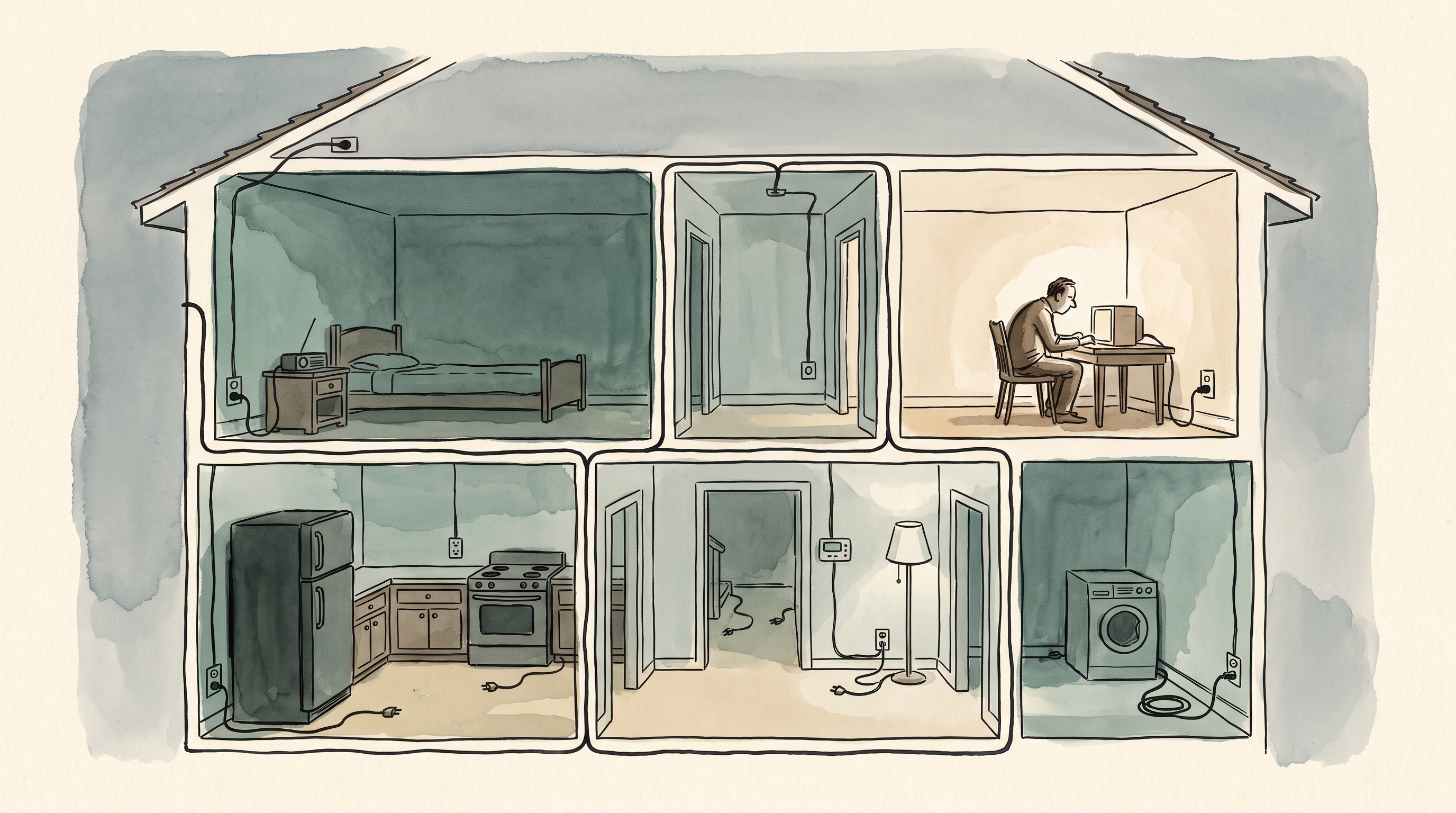
You probably still use AI at moments in time through the day to get information. It’s usually something like ChatGPT, and the experience is kind of like using Google search. You might go to it several times a day, and each time the only context it has is the question itself. There’s no memory of the previous conversations. I think tools like ChatGPT give you the illusion that AI is like Google search, and that limits how you use it and what you get out of it.
For me, a better mental model is electricity. Think of living in a house before electricity.
You wake up, and it’s freezing cold because there’s no heating. You stumble around in the dark and go to the shower. It’s freezing cold. You get dressed. You want to have some breakfast, but first you have to assemble some firewood, light a fire, and heat some water for your morning beverage.
Then electricity comes along. What it allows you to do is connect up appliances to harness the electricity and put it into different forms that are useful. Lighting, so you hook up light bulbs and switches and you can actually have light at night. Heating and air conditioning, cooking, refrigeration, washer and dryer. What you do in reality with electricity is you install it, you have it there available, and then when you need it you turn on the switch.
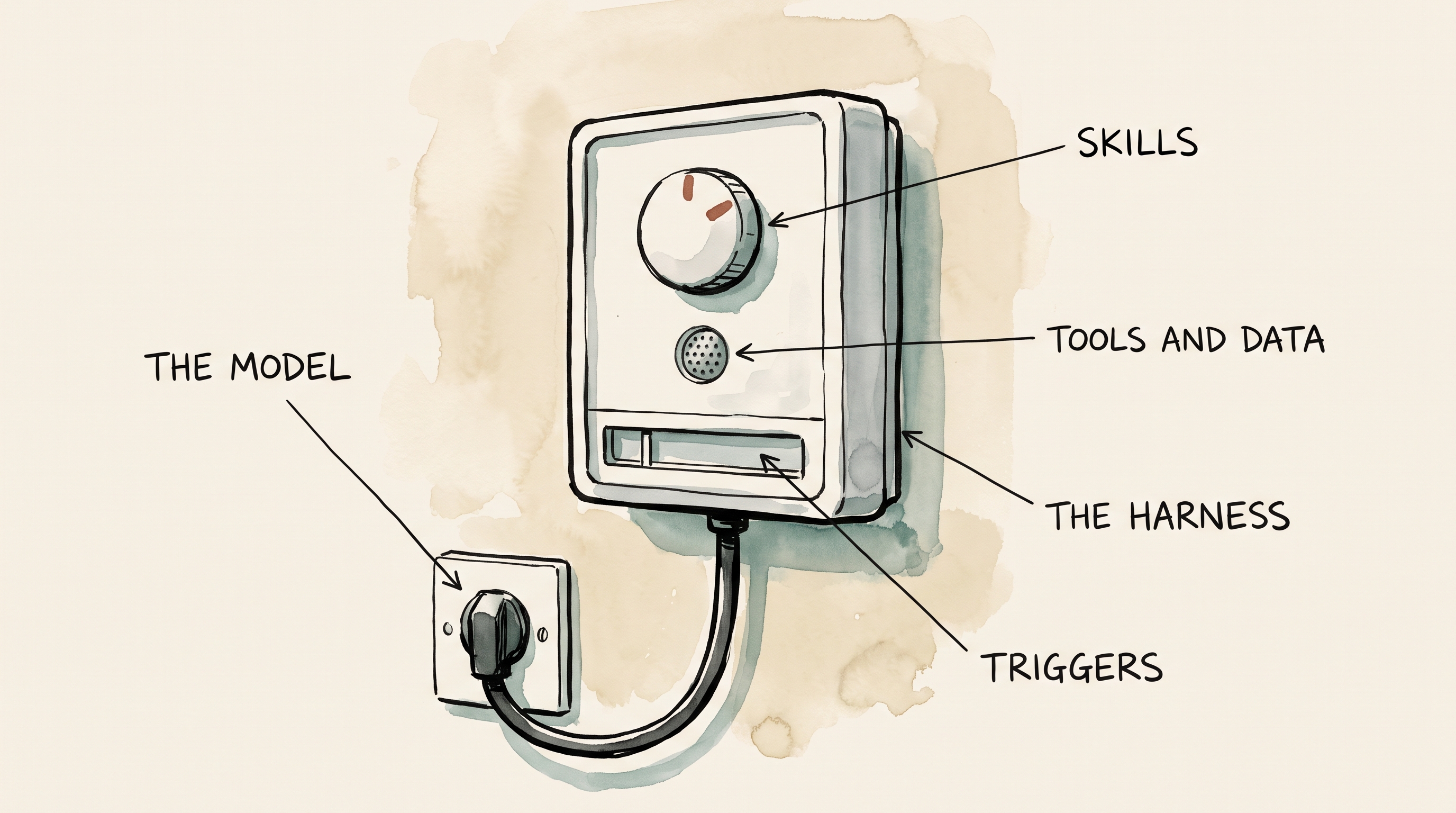
The equivalent of an appliance in AI is a harness. You have to create an infrastructure around the AI, to get it to do what you want it to do. With a thermostat there’s hardware and a switch and a sensor, and the thermostat itself is powered by electricity but it also controls the heating. All of that control around the electricity is the harness.
The electricity plus the harness is an agent. A thermostat is a heating-controlling agent for your house.
Say you want to use an agent to optimize your health. You give it a goal, and it tracks your daily habits, your body measurements, your medical records and your symptoms. You connect your WHOOP so it has all of your sleep, day details, your activity and exercise. You connect a Stelo glucose monitor so you have your blood glucose and your meals. It tracks your medications, your alcohol, your caffeine and your heart rate variability.
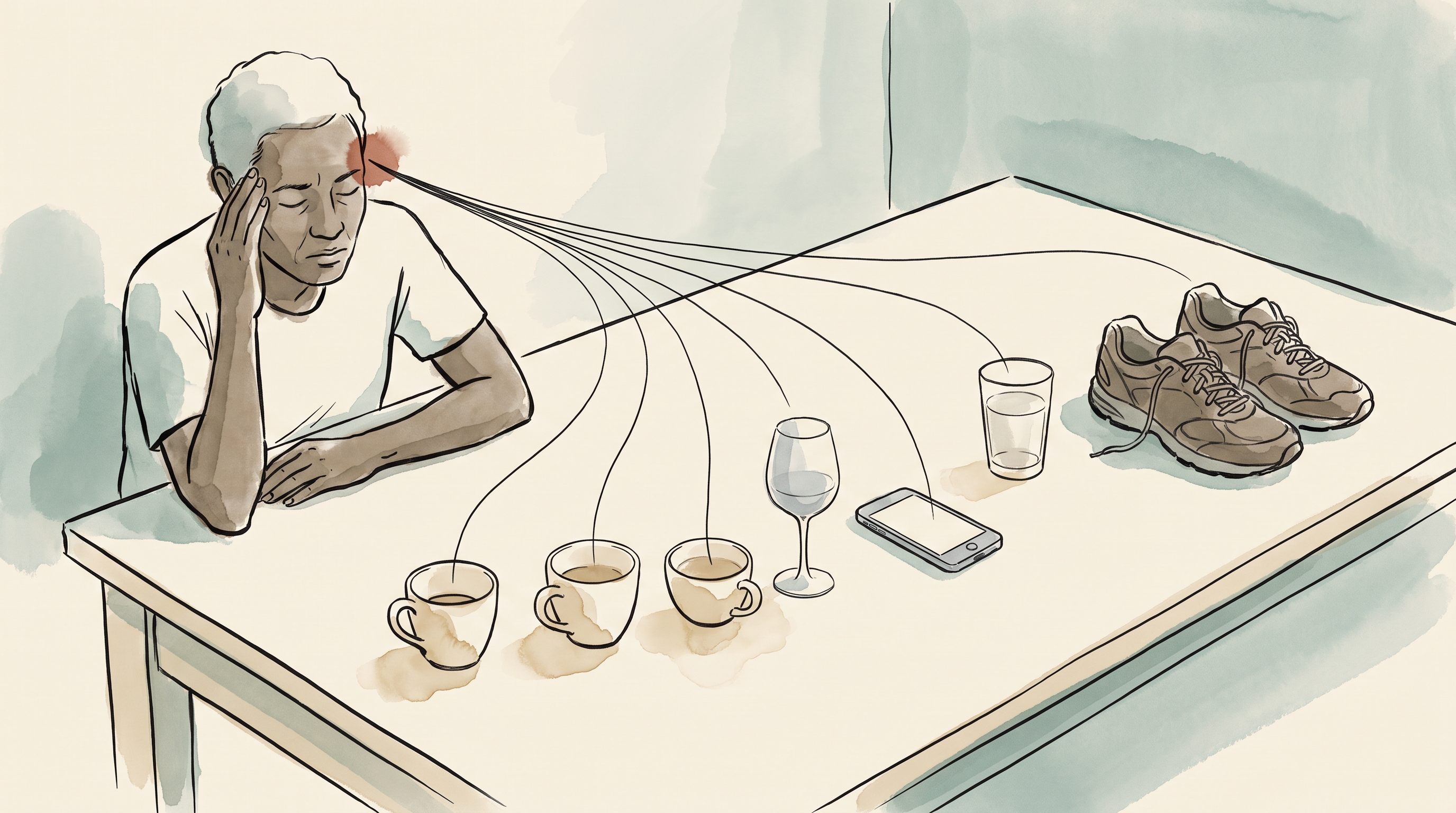
With the harness, the more data it gets, if you suffer from headaches, it records the time and the severity every time you get one, along with your sleep duration, what you ate, and whether you had caffeine, alcohol, exercise or medicine. After a few days it can summarize. After a few weeks it may notice that the most severe ones land on days when you slept a certain amount, had an unusual amount of caffeine, or came after four or five days of stress.
Getting smarter means it builds a baseline of what is normal for you. Your patterns and your habits, the communication style that works with you, and how you respond. There’s a lot of power in having an agent track your health over time.
The other thing that’s different from appliances is that these harnesses can communicate with each other.
Now your health agent or harness coordinates with your calendar agent and your work agent, and they can find broader patterns. It can give you reasons other than those within your health for drop-offs in exercise, sleep or eating patterns that may be related to travel or work conditions. And then give you recommendations, and then track and measure the impact of those recommendations over time, and give you feedback.
You have to own the harness, because it’s all your data and your information and your preferences, and it’s becoming more customized to you over time. If you don’t own the data and the harness then somebody else does, and they’re getting smarter based off your data.
That’s kind of what the advertising model used to be in software. You got the product free and they got your attention. What accumulates in a harness is different. It is your patterns, your preferences, your history, the tuning you did over months. Whoever holds that ends up with something that cannot be rebuilt somewhere else.
What is relevant is for you to pick what your first harness is going to be.
Pick one thing to start with, build it out, and then see how it’s doing. Is it actually working the way you want? It probably will not, and you have to tune it.
And this is most of the work. The tuning is where the thing stops being generic and starts being yours.
Then you bring on a second harness, then a third and a fourth. Now you’re moving into a role of orchestrating these harnesses as opposed to doing the work yourself. If you were to hire somebody to help you do this, it would cost you a lot of money. In a small business you’re going from being both the owner and the employee to now having more time to implement ways to get leverage. You can observe and tweak as you go.
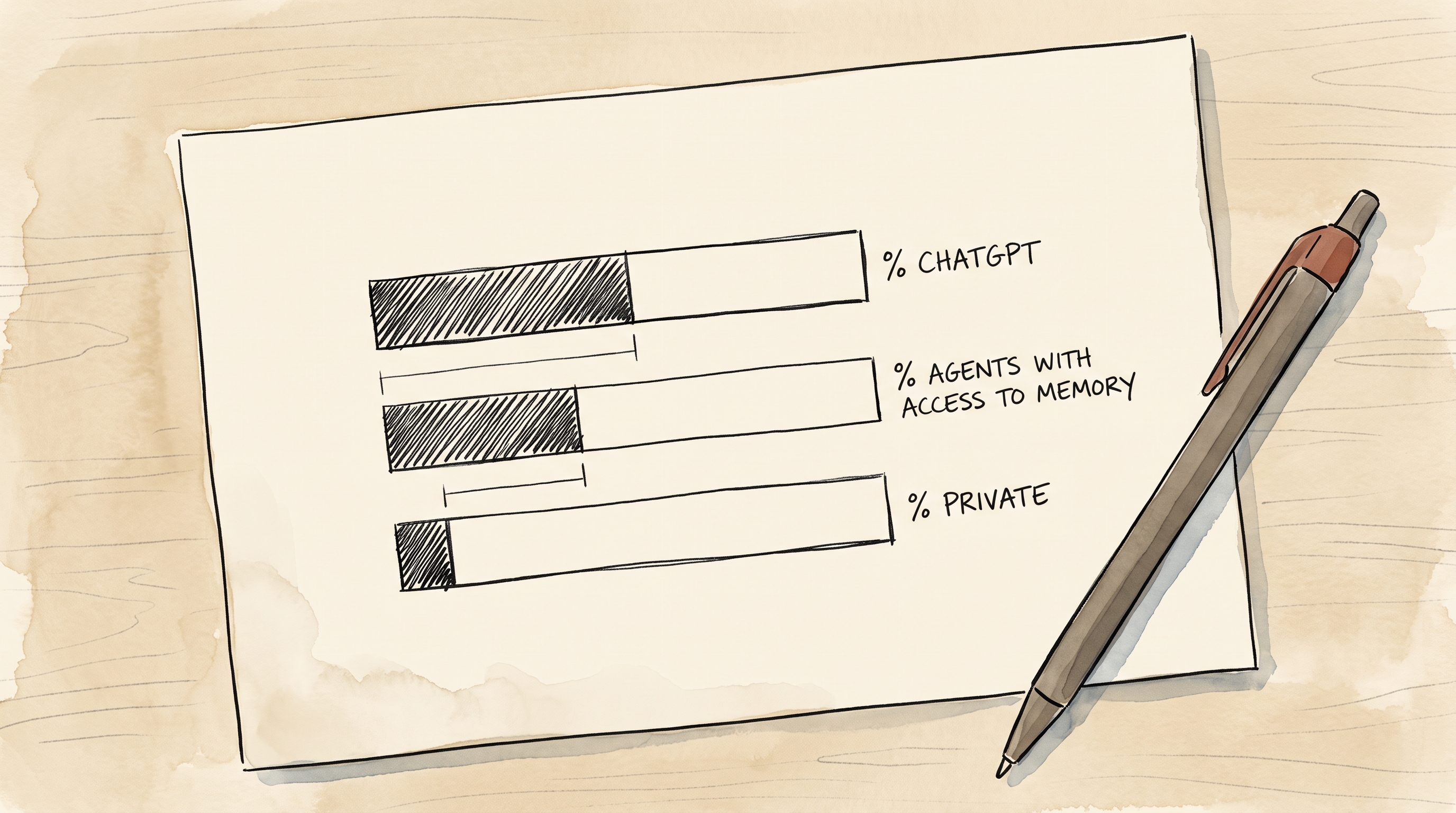
One last thing you could do on the back of an envelope right now. Three things to look at:
- What percentage of your time on AI goes into stateless, memoryless applications like ChatGPT?
- What percentage goes into using agents to do jobs for you, where you own the memory so that you could swap in a different model provider if you wanted?
- Of the memory from agents that you do own, what percentage is actually private, meaning that data is not shared with a model provider and they cannot use it to build a profile of you?
There is no right or wrong answer. It is just something to be aware of. Over time you want to move toward holding your own agent and harness memory on your own computer, especially for your most private information.
This is what I’m doing right now in my life and my work. Stay tuned for more.
Summary and key ideas
AI makes more sense as electricity than as a website you go and visit. The work is building appliances that turn it into particular jobs, tuning them until they fit, and owning what accumulates inside them.
- Most people treat AI like Google, starting from scratch every visit.
- Electricity is the better mental model: install it once, then it is always there.
- Appliances are what turn electricity into particular jobs.
- In AI, the appliance is a harness.
- Electricity plus a harness is an agent, like a thermostat.
- You give a health harness a goal, and it tracks everything that feeds it.
- A harness gets smarter as it sees more of you.
- Harnesses talk to each other, so your travel schedule explains your bad weeks.
- Own the harness, because your tuning is what makes it valuable.
- Start with one, then tune it until it fits.
- The tuning is most of the work.
- Then you add a second and a third, and your job becomes orchestrating them.
- Know how much of your AI use is stateless, and where the memory you own actually lives.